How Did Ancient Humans Deal with Rabies

So yeah, I was bitten and scratched by a neighbor's cat multiple times on the feet (I was only wearing slippers at the time) last night upon writing this. Unfortunately I had to visit the clinic the deals with rabies shots because the attack did pierced my skin.
There I learned my injury was considered "Category 3" due to it being on the foot, apparently it is more dangerous to get bitten there due to multiple veins are present, and that I required 7 shots in total and another few for incoming days.
I then wondered how in the world did ancient people deal with Rabies? I mean, they were hunter gatherers and/or defended their crops and their livestock, quite a few must've been infected at some point. And seeing how dormant the effects of the virus can be, do they even know the cause of the effect?
These questions and more is what we're going to answer today. And in case you want to go straight to the point, click here to go straight to the conclusion.
What is the Rabies Virus?
Before we answer how ancient humans dealt with rabies, we must first identify what the Rabies Virus is really is.
According to the World Health Organization (WHO), rabies is a viral disease that spreads through the saliva of infected mammals, usually through bites, and attacks the central nervous system, eventually affecting the brain and spinal cord.
Source:

What Causes Rabies Virus?
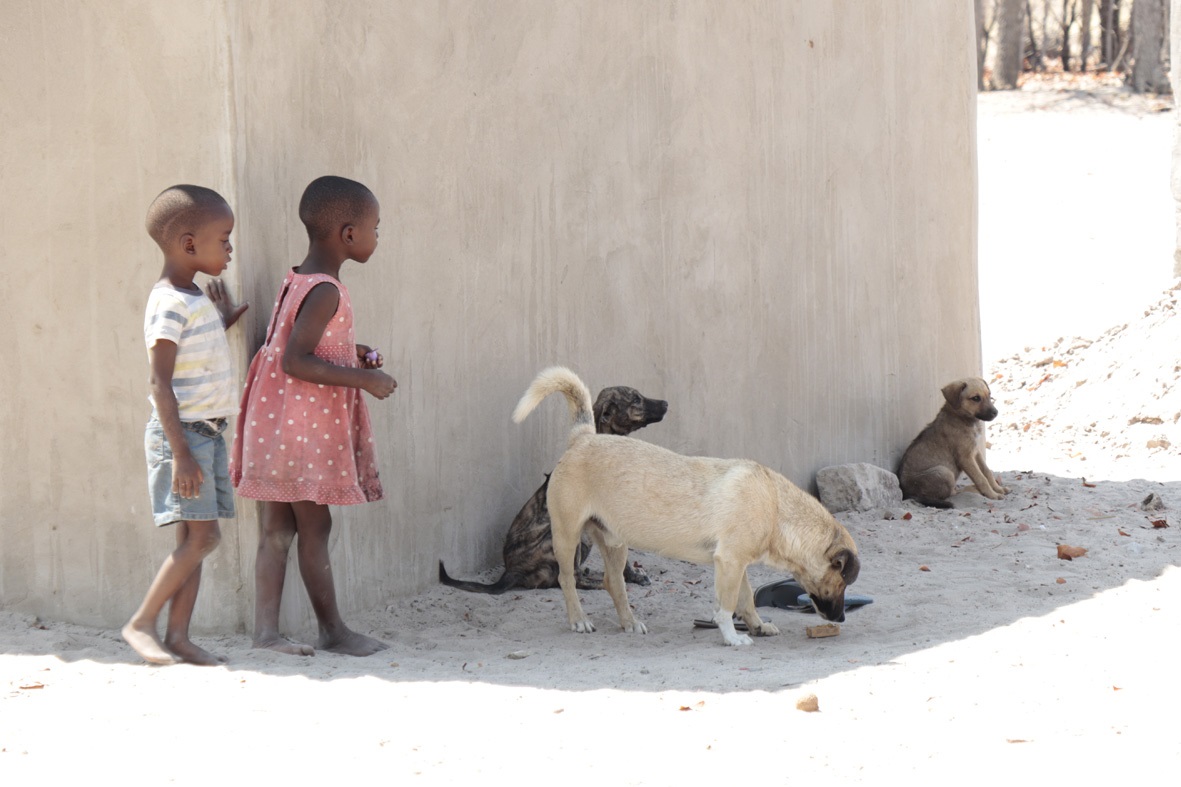
Rabies is most commonly transmitted through the saliva of an infected animal. So bites, and sometimes scratches from claws that are contaminated with the saliva (think of dogs and cats licking their paws) of an infected animal, are included. Infected humans can also transmit the virus.
What is the Effect of the Rabies Virus?
It's a virus that attacks the brain and spinal cord. Unlike most viruses, it doesn't spread through your bloodstream. Instead, it slowly travels through your nerves toward your brain. Which is honestly a terrifying thought.
According to the Centers for Disease Control and Prevention (CDC), the virus travels through the peripheral nerves before reaching the brain.
Source:
 CDC
CDC
The scary part is that this can take weeks, or even months. You can feel completely fine after getting bitten, only to suddenly become sick much later. That's why doctors tell you to get vaccinated before symptoms appear.
Symptoms of the virus include: Fever, headache, lethargy, muscle spasms, a fear or water, etc.
Unfortunately, once symptoms appear, rabies is almost always fatal according to the World Health Organization (WHO)
Once the virus infects the central nervous system and clinical symptoms appear, rabies is fatal in 100% of cases.- World Health Organization
How Did Ancient Humans Fight Against Rabies?
So how the heck did the ancient people fight against such dangerous virus WITHOUT modern vaccines? Did they even know that rabies exists?
Were ancient people aware of the existence of rabies?
According to Encyclopaedia Britannica and Rabies by Alan C. Jackson and William H. Wunner, ancient civilizations in Mesopotamia, Greece, Rome, India, and China all described "mad dogs" that suddenly became aggressive, foam at the mouth, and bite anything nearby. They also noticed that people bitten by these animals often became sick later and died.
Fun fact the I found: The Greeks at the time believed that mad dogs are influenced by the Greek minor Lyssa.
 Contributors to Wikimedia projects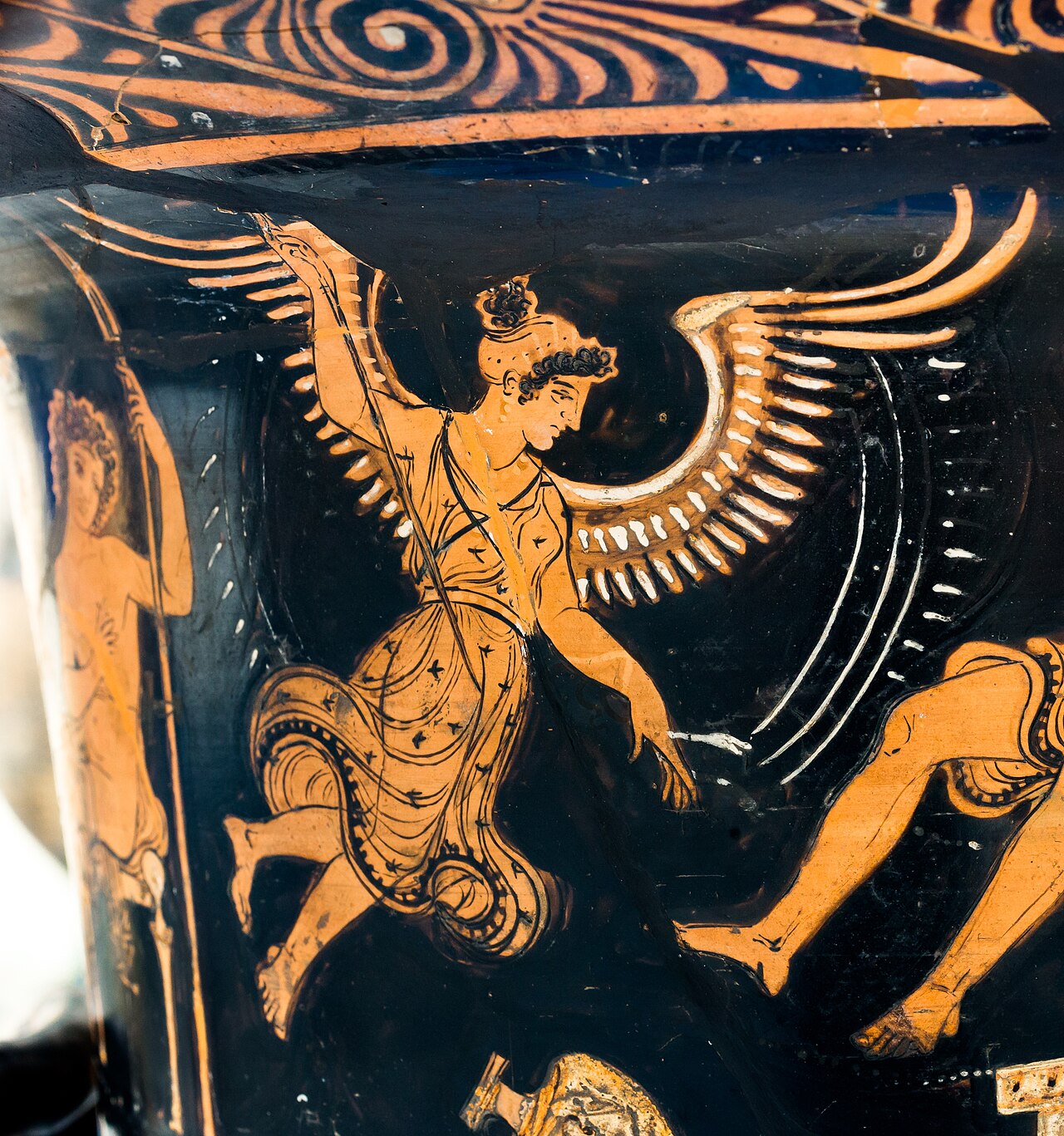
So yea, they were aware of the existence of rabies, but they don't know why it happens. The only thing that they were certain of is that [if mad dog bites you, then you get sick and die.]
Source:

Cleaning the Bite
According to Wikipedia, ancient civilizations came up with all sorts of remedies for rabies. Some worked, most didn't.
Some treatments included cauterizing bite wounds, applying poultices made from hyena skin, or even using preparations made from the skull of a hanged man. (Yeah... ancient medicine got weird.)
Of course, none of these treatments actually cured rabies. They simply didn't know what was causing the disease.
Ironically, one piece of advice did stand the test of time. Today, the World Health Organization (WHO) still recommends immediately washing an animal bite with soap and running water because doing so helps remove and inactivate much of the virus before it reaches nearby nerves.
Source:
 Contributors to Wikimedia projects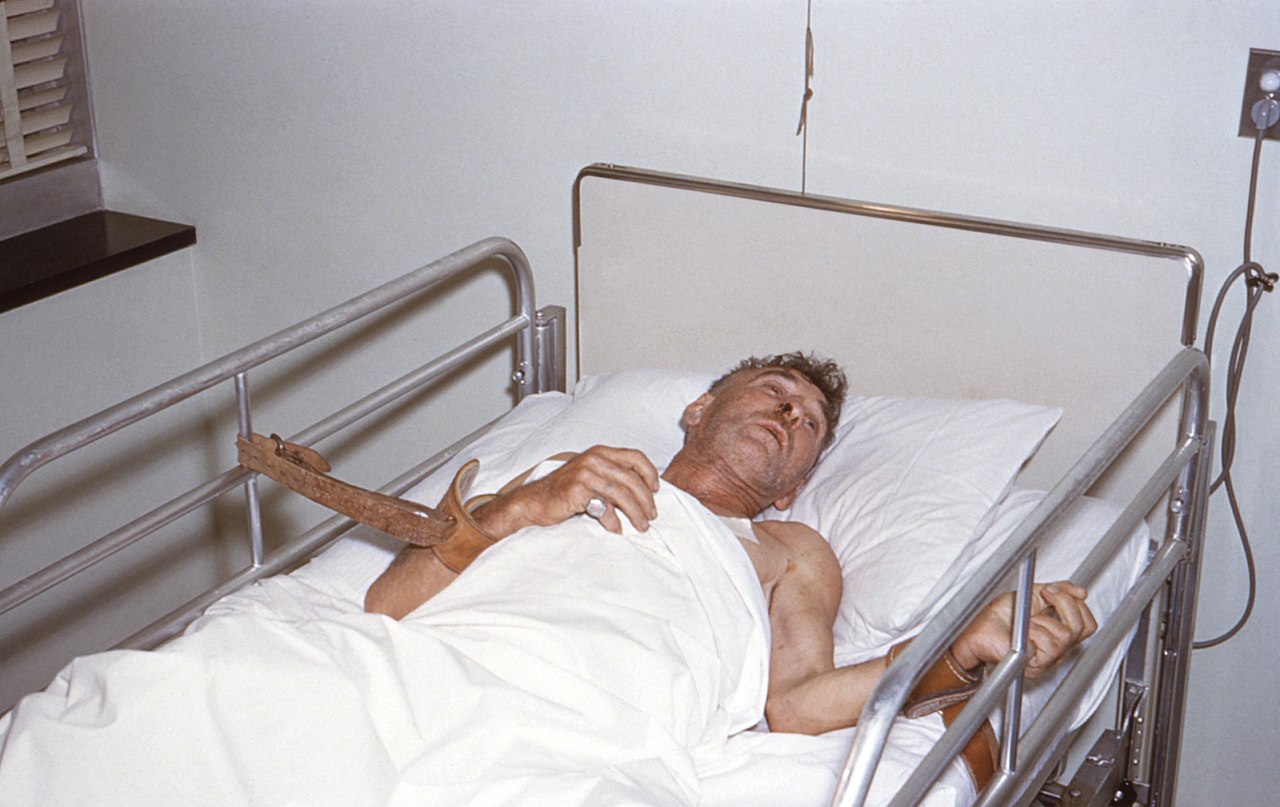
Killing Infected Animals
Ancient people couldn't cure rabies, so they focused on stopping it from spreading.
Over time, they learned to recognize the signs of a rabid animal, such as unusual aggression, excessive salivation, and strange behavior. Once an animal showed these symptoms, it was often killed to prevent it from biting more people or other animals.
Source:
 J Blancou
The pdf file:
Sometimes...they just get lucky
As mentioned before, once symptoms appear, rabies is practically always fatal, even in the modern world.
Since ancient people had neither vaccines to prevent rabies nor post exposure vaccines to protect themselves after being bitten, there wasn't much they could do.
You either got lucky by washing the wound well enough to reduce the amount of virus, or the animal that bit or scratched you wasn't infected in the first place.
CONCLUSION
- 🦠 Rabies is one of the deadliest viruses known to humans. Once symptoms appear, it's almost always fatal, which is why doctors recommend getting treated before you feel sick.
- 🧠 The virus doesn't travel through your blood. It slowly moves through your nerves toward your brain, which is why symptoms can take weeks or even months to appear.
- 🏺 Ancient humans had no idea what a virus was. They didn't discover viruses until the late 1800s, but they did notice that getting bitten by certain "mad" animals often led to a horrible death.
- 🐕 Observation was their greatest weapon. They learned to avoid animals that behaved strangely, especially dogs that suddenly became aggressive or started foaming at the mouth.
- 🩹 Cleaning bite wounds has been around for thousands of years. Ancient physicians recommended washing wounds without knowing why it helped. Today, we know that immediate washing with soap and water can reduce the amount of virus at the wound site.
- 🚫 Keeping sick animals away from healthy ones wasn't just common sense, it worked. Isolating or removing aggressive animals helped reduce the spread of rabies long before vaccines existed.
- 🍀 Unfortunately, luck played a huge role. If someone actually developed rabies, there was little anyone could do. Many ancient "cures" probably seemed effective simply because the animal wasn't rabid in the first place.
- 💉 Thankfully, we live in a different era. Modern vaccines and post exposure treatment can prevent rabies almost entirely if you seek medical care before symptoms begin.
Copyright ©2026 by Marshall Vulta


Comments ()