Why Did Australia's Indigenous Population Decline After European Settlement?

What Happened to the Indigenous Australians?
If you weren't much of a world history nerd growing up (like I wasn't), then you might be surprised to learn that the majority of Australia's population today is of European ancestry, with people of British descent making up the largest ancestral group. This makes sense when you remember that Australia was colonized by the British Empire beginning in 1788.
That realization, however, raises another question. If you've ever looked at former colonies of the Spanish Empire, one of Britain's greatest imperial rivals at the time, the places it conquered and colonized, you'll notice that Indigenous peoples are still a significant part of their populations and cultures. Yet in Australia, Indigenous Australians make up only around 4% of the population. Why is there such a dramatic difference?
Were they shipped off to neighboring countries? Were they hunted down to extinction? Did the diseases the British carried in them wiped them out? Or is the answer more complicated than that?
That's what we're going to find out today.
Brief History of the Indigineous Australians
Summarized History of Australia Before the British
The continent was home to hundreds of Indigenous tribes, each with its own language, customs, traditions, and laws. Researchers estimate that over 250 different languages were spoken across Australia before European settlement.
While they didn't build massive stone cities like the Aztecs or the Inca, that doesn't mean they lacked civilization. Different groups developed ways of life suited to Australia's unique environment.
Many communities traded with neighboring groups over surprisingly long distances, exchanging items such as stone, shells, ochre, and tools. Some trade routes stretched for hundreds of miles.
One of their greatest achievements was their understanding of the Australian landscape.
For thousands of years, Indigenous Australians used carefully controlled fires to manage vegetation. This practice, often called fire-stick farming, reduced the risk of catastrophic bushfires, encouraged fresh plant growth, and attracted grazing animals for hunting.
Everything changed in 1788, when the First Fleet arrived at Sydney Cove.
Britain had recently lost many of its American colonies following the American Revolutionary War and needed a new destination for transporting convicts. Australia became that destination.
To justify claiming the continent, British authorities relied on a legal doctrine known as terra nullius, a Latin phrase meaning "land belonging to no one."
Of course, this wasn't accurate. Hundreds of Indigenous tribes already occupied the land. However, because British law did not recognize Indigenous systems of land ownership, these communities were effectively treated as though they didn't legally own their own country.
With that being said, its time to tackle our main topic, what happened to the indigenous Australians?
Reasons for the Population of Indigenous Australians
1. Diseases
Before widespread fighting even began due to territorial claims, the indigenous people of Australia were facing another and much more deadlier enemy, diseases.
Smallpox, influenza, measles, tuberculosis, and other illnesses arrived with European settlers. Having lived in isolation from Europe for tens of thousands of years, Indigenous Australians had no natural immunity to these diseases. The consequences were devastating.
 Contributors to Wikimedia projects
How such diseases came to Australia though remains unclear. According to Wikipedia, historians continue to debate exactly how Australia's first smallpox outbreak began. Some argue it spread accidentally from British supplies, while others suggest different routes of introduction.
Some scholars have attributed it to European settlers, but it is also argued that Macassan fishermen from South Sulawesi and nearby islands may have introduced smallpox to Australia before the arrival of Europeans. A third suggestion is that the outbreak was caused by contact with members of the First Fleet. A fourth theory is that the epidemic was of chickenpox, not smallpox, carried by members of the First Fleet, and to which the Aboriginal people also had no immunity- From Wikipedia
TLDR: Diseases devastated Indigenous Australia long before many communities ever encountered European settlers face to face.
2. The Frontier Wars
As British settlements continued expanding across the continent, conflicts between settlers and Indigenous Australians became increasingly common.
Unlike famous wars with clear beginnings and endings, Australia's Frontier Wars consisted of numerous local conflicts fought over more than a century.
 Contributors to Wikimedia projects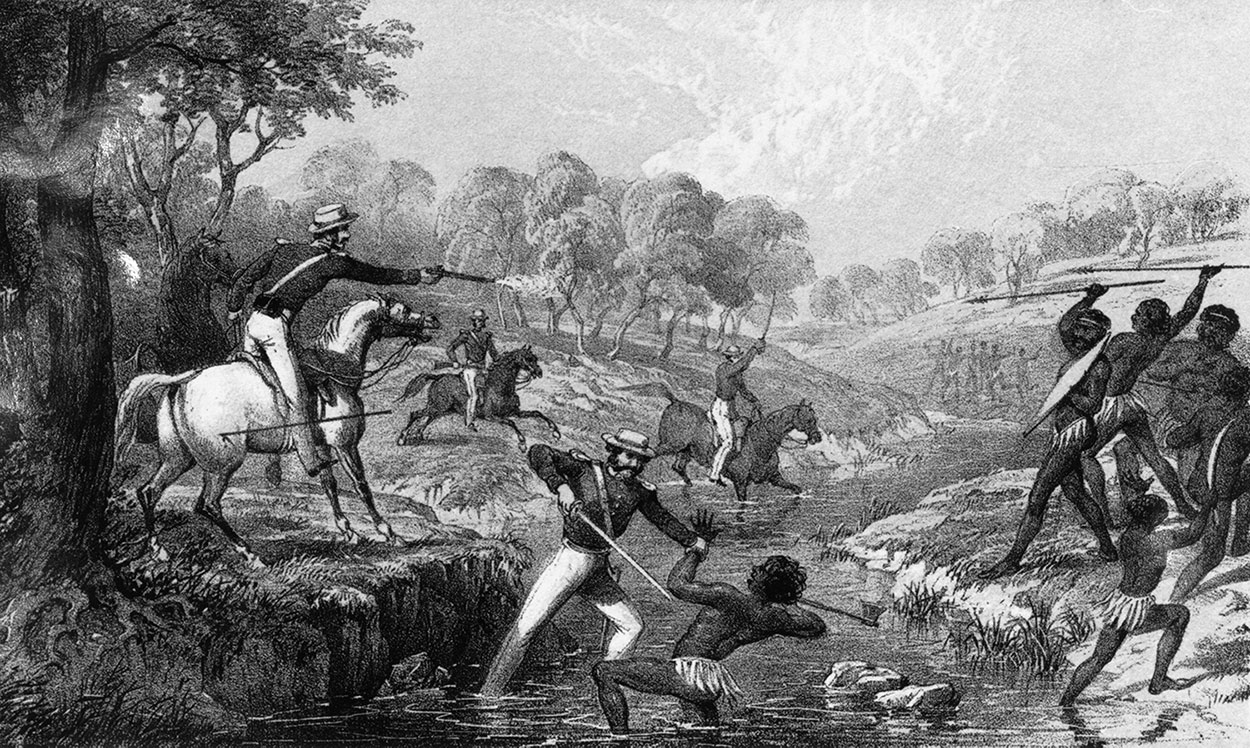
Historical records document numerous massacres carried out against Indigenous Australians, while settlers also lost their lives during raids and attacks.
The exact death toll on both sides is not clear, but there is little disagreement that at least thousands of Indigenous Australians died during these conflicts.
3. The Stolen Generations
By the late 1800s and much of the 1900s, government policies shifted away from open conflict and toward assimilation. The goal was no longer simply controlling Indigenous Australians. It was, in many cases, to absorb them into European Australian society.
One of the most controversial policies involved removing Indigenous children from their families. These children were placed in institutions, churches, or non-Indigenous households where they were often discouraged or outright forbidden from speaking their native languages or practicing their cultures.
Today, these children are collectively known as the Stolen Generations. The long-term effects of these policies are still felt by many Indigenous families today.
 Contributors to Wikimedia projects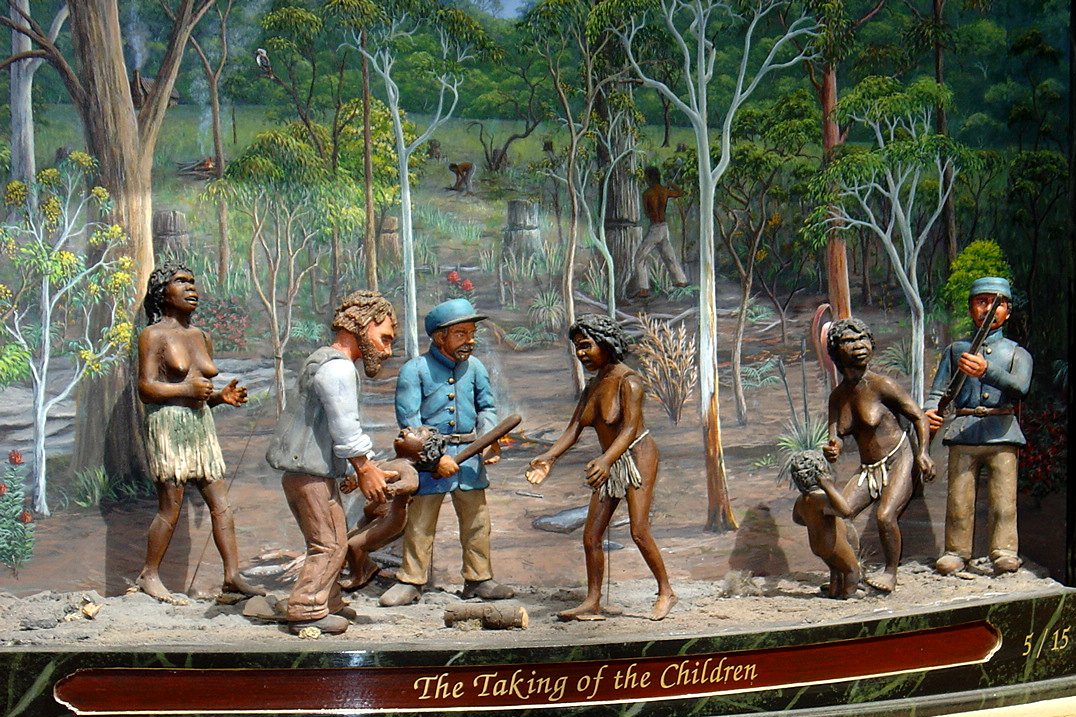
CONCLUSION
So what happened to the Indigenous Australians? Well one thing for sure is that indigenous Australians was never completely exterminated. The population of their colonizers simply outpaced theirs due to a combination of disease, violence, displacement, and government policies.
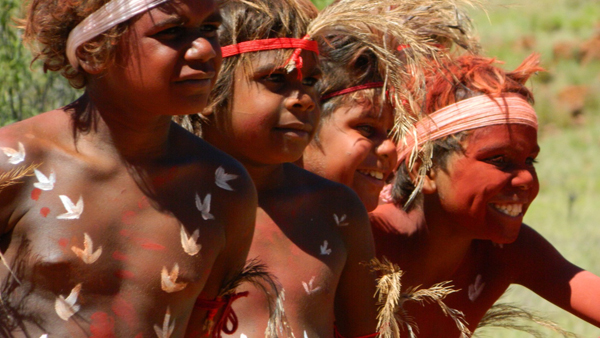
Despite everything that happened, Aboriginal Australians and Torres Strait Islander peoples survived.
 Contributors to Wikimedia projects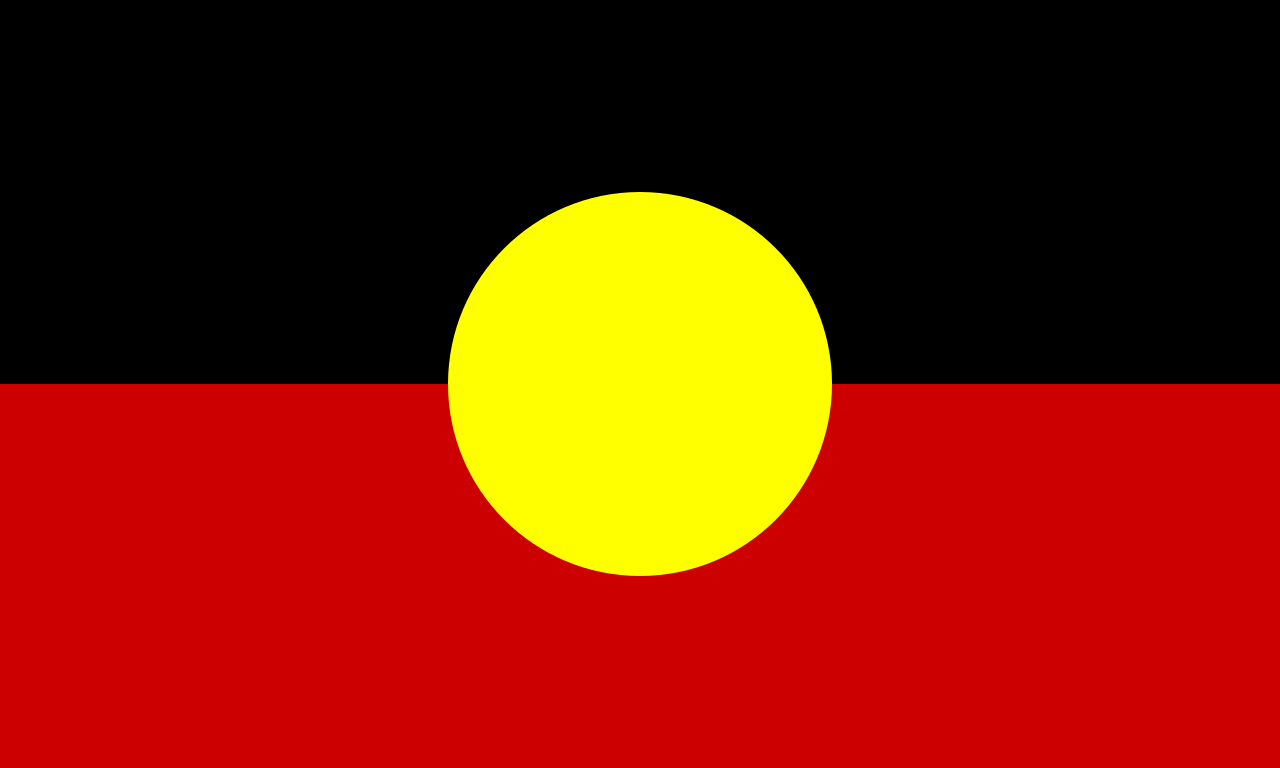
 Contributors to Wikimedia projects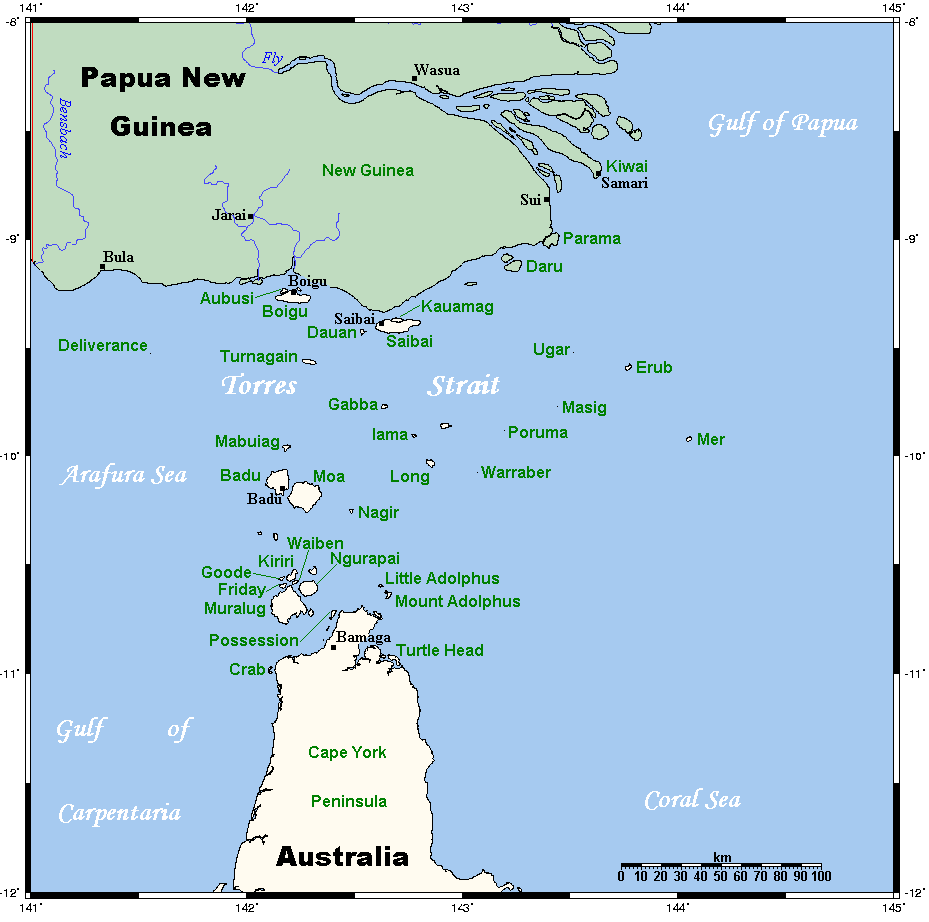
Today, they number around one million people, making up roughly 3.8% of Australia's population.
Estimates from the 2021 Australian census show that there were almost one million Indigenous Australians, representing 3.8% of the Australian population. About 92% of Indigenous Australians identified as Aboriginal, 4% identified as Torres Strait Islander and 4% identified with both groups. About 84% spoke English at home and 9% spoke an Aboriginal or Torres Strait language at home. Just over half hold secular or other spiritual beliefs or no religious affiliation; about 40% are Christian; and about 1% adhere to a traditional Aboriginal religion.- Wikipedia
Today, the Australian Government and Indigenous communities worked together to continue to preserve their languages, ceremonies, artwork, music, and traditions. Some Indigenous languages that were once thought to be disappearing are now being revived by younger generations.
TLDR: Indigenous Australians were never completely exterminated. Their population was devastated by disease, violence, displacement, and government policies, while the colonizing population grew much faster.
Copyright ©2026 by Marshall Vulta


Comments ()